← MeoMock / Written exams
Class 2 (2nd Engineer) SC&S 📅 Feb 2018

Exam Question

(a) Describe how a ship's propeller produces thrust.

(b) Explain how the action of producing thrust may lead to propeller cavitation.

(c) State the origin of vortex cavitation from the propeller cone.

(d) Explain how a propeller blade may be eroded due to cavitation, describing the progressive nature of damage.
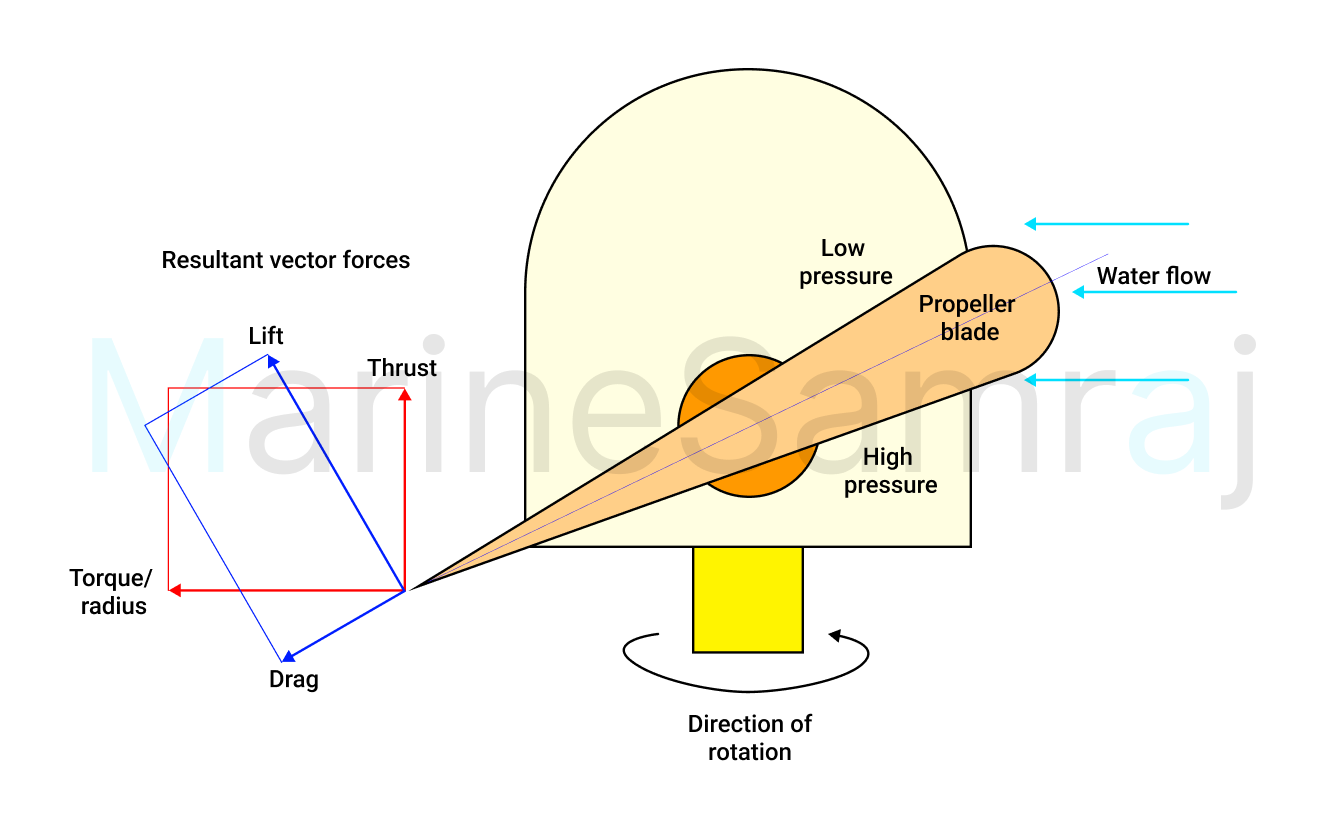
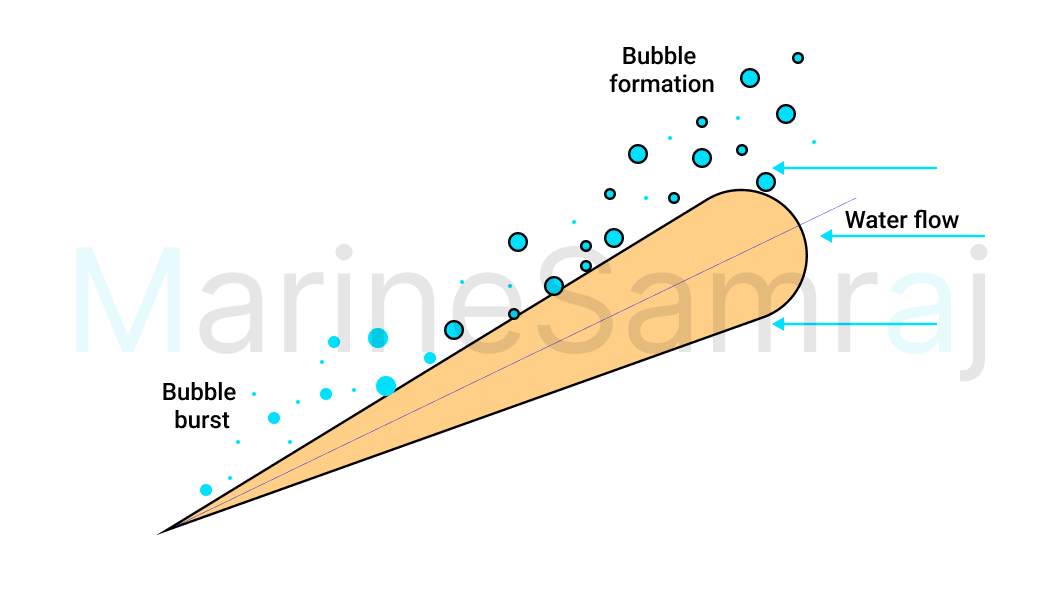
Exam question diagramExam question diagram

Reference Answer

(a) How a propeller produces thrust:
A ship's propeller generates thrust by rotating its blades, which displace water. This displacement creates a void, causing water to rush in and fill the space. This movement results in a pressure difference. Water accelerates from the front of the propeller blades to the back, forming a column of water slightly larger than the propeller itself. The increased velocity creates a water jet behind the propeller. This jet adds momentum and thrust to the water, propelling the vessel forward.
(b) How producing thrust may lead to propeller cavitation:
Cavitation occurs when the local pressure in the liquid drops below the saturated vapor pressure of water, leading to the formation of vapor bubbles. When producing thrust:

Full answer on MeoMock — surveyor-grade reference answers for 7,000+ written exam questions.

View plans Browse library

← Browse more questions

Prepare on Android — MeoMock on Google Play